
Maldives
Surf Guide
World Surfaris’ Overview
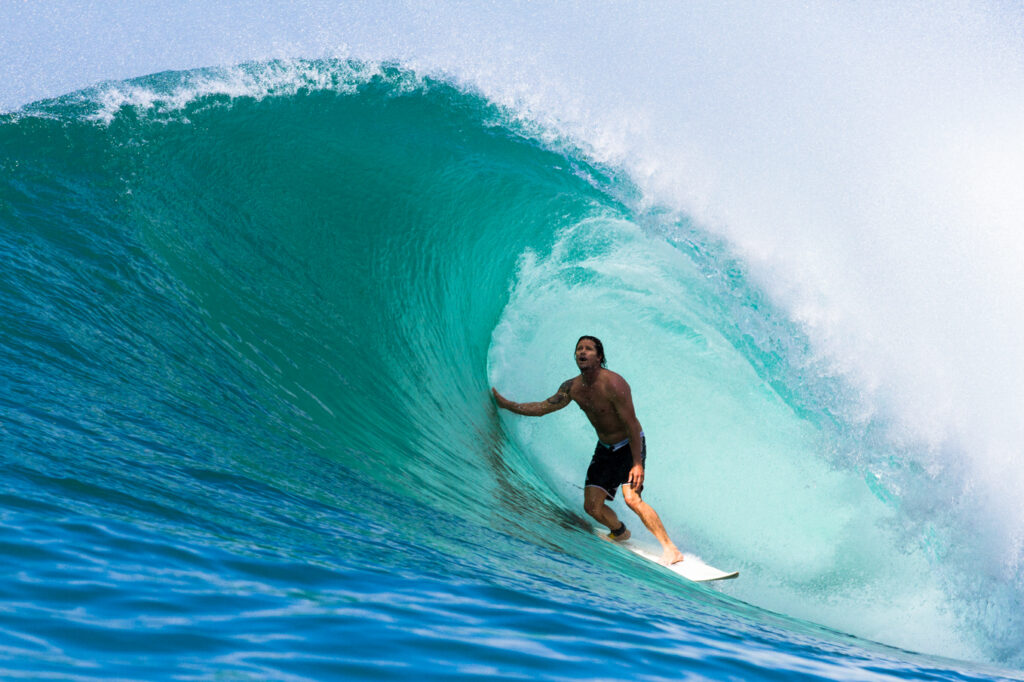
The Maldives stands out as one of the most sought-after destinations for surfers, offering year-round warm water, consistent Indian Ocean swell, and an array of world-class reef breaks. Ideal for intermediate to advanced surfers, Maldives surf conditions range from playful walls to powerful barrels, all set against a backdrop of palm-fringed islands and crystal-clear lagoons. The archipelago is divided into three main surf regions – the Male Atolls in the north, the Central Atolls, and the remote Southern Atolls – each delivering its own distinct wave characteristics and seasonal patterns.
Whether you’re based at a surf resort with front-door access to a premier break or on a surf charter exploring remote atolls, flexibility and wave variety are guaranteed. The peak season runs from March to October, with May to August delivering the most consistent swell. With deep local knowledge and trusted operator partnerships, World Surfaris connects surfers to curated Maldives trips that prioritise quality service, minimal crowds, and dialled-in access to the region’s best breaks.




The Basics
Location
The Maldives is a tropical island nation located in the Indian Ocean, southwest of Sri Lanka and India. For surfers, the Maldives is typically divided into three main surf regions: the Male Atolls in the north, which are the most accessible and home to well-known breaks like Lohis Left and Sultans; the Central Atolls, offering a more remote and uncrowded experience with waves such as Mikados and Machines; and the Southern Atolls, the most isolated of the three, known for powerful and consistent surf, including breaks like Beacons and Tiger Stripes. Each region offers distinct wave setups, seasonal conditions, and levels of exposure to swell.
Maldives Culture & Religion
The Maldives is a Muslim country with deep-rooted Islamic traditions, and while resort islands operate with more relaxed customs, it’s important for surfers to respect local culture when travelling through inhabited islands and local communities. Tourism is the country’s largest industry, and the hospitality across surf resorts and charter boats is warm and professional, with English widely spoken. Surfers can expect a laid-back island vibe, a strong emphasis on environmental preservation, and a deep appreciation from locals for those who engage respectfully with the culture and natural beauty of the Maldives.
Getting There
Getting to the Maldives begins with an international flight into Velana International Airport in Malé, the country’s main entry point. From there, surfers heading to the Male Atolls can access their surf resort or charter with a short speedboat ride, while those bound for the Central or Southern Atolls connect via domestic flights followed by boat transfers.
Travel to more remote regions often involves overnight layovers or multiple legs, but World Surfaris takes care of all logistics – from international and domestic flights to ground transfers, overnight stays and visas – ensuring a seamless journey from home to the lineup.
Maldives Surf Zones
Male Atolls
The Male Atolls are the most accessible and well-developed surf region in the Maldives, located just a short speedboat ride from Malé’s international airport. Breaks like Sultans, Cokes and Lohis Left deliver reliable, high-quality reef breaks ideal for all levels. While it’s the most popular zone, crowd levels are kept in check thanks to well-managed surf resorts that enforce strict surfer caps and structured management plans.
With a range of land-based resorts and surf charters operating in the area, the Male Atolls offer a convenient and organised surf experience without sacrificing wave quality.
Central Atolls
The Central Atolls offer a more off-the-beaten-track experience, accessed via a domestic flight or overnight crossing from Malé. This region features long, playful reef breaks like Mikados, Machines and Yin Yangs that are suitable for confident intermediates through to advanced surfers. With fewer surf operators and limited resort infrastructure, crowd levels are significantly lower than in the Male Atolls.
Best explored by surf charter, the Central Atolls combine reliable swell exposure with a sense of seclusion, making them perfect for surfers seeking a more relaxed and remote vibe.
Southern Atolls
The Southern Atolls are the most remote and powerful surf zone in the Maldives, accessed via domestic flight followed by a boat transfer. This region is best suited to advanced surfers, with heavier, high-performance waves like Beacons and Blue Bowls offering consistent swell and raw energy. With limited resort infrastructure, crowd levels remain low – even in peak season – making it a top choice for surfers chasing quality over convenience.
The Southern Atolls deliver a more rugged, adventurous surf experience, ideal for those seeking uncrowded lineups and untapped potential.


Maldives Surf Seasons
When To Surf The Maldives?
Male Atolls
The surf season in the Male Atolls runs from March to October, with the most consistent and powerful waves arriving between May and August, when surfers can expect clean, head-high to overhead conditions at well-known breaks like Sultans, Lohis Left and Jailbreaks.
March to April and September to November offer smaller, more playful surf with lighter crowds, making these shoulder months ideal for intermediate surfers or those looking for a more relaxed trip.
While the off-season from December to February is less consistent, it can still produce fun, manageable waves, particularly suited to surfers travelling with non-surfing partners or family looking to combine the occastional surf with a laid-back island holiday.
Central Atolls
The Central Atolls share a similar surf season to the Male Atolls, with the best waves arriving between March and October, and peak consistency from May to August. However, the Central Atolls offer a more remote and uncrowded surf experience, with long, playful reef breaks like Mikados, Machines, and Yin Yangs.
March to April and September to October bring smaller, more manageable conditions – perfect for intermediate surfers or those wanting mellow sessions without the crowds.
While the off-season from November to February sees limited swell activity, it can still produce the occasional clean day, making it a good time for surfers travelling with family or partners to enjoy a quieter, more relaxed surf escape surrounded by pristine scenery.
Southern Atolls
The Southern Atolls enjoy the longest and most consistent surf season in the Maldives, with quality waves often arriving as early as February and continuing through to October. Thanks to their location further south, this region picks up more swell year-round compared to the Male and Central Atolls.
March to June typically sees the most reliable conditions, with powerful, clean surf at breaks like Beacons, Five Islands, and Blue Bowls. July and August can bring stronger winds and heavier conditions, better suited to experienced surfers, while September to October offers a mix of size and accessibility with fewer crowds.
Even in the off-season months, the Southern Atolls can still see occasional swells, making it a solid option for surfers chasing extended windows of opportunity and more remote, uncrowded lineups.
Frequently Asked Questions
What’s the difference between the Male, Central, and Southern Atolls?
Male Atolls are the most accessible and have the most developed surf infrastructure, but they can get busy. Central Atolls offer a more remote, uncrowded vibe. Southern Atolls pick up the most swell and offer heavier waves for experienced surfers.
When’s the best time to surf in the Maldives?
The main surf season in the Male and Central Atolls runs from March to October, with the most consistent conditions and solid swell arriving between May and August. The Southern Atolls have a longer season, often starting as early as February, and pick up more swell year-round.
Are the waves suitable for beginners?
The Maldives is best suited to intermediate and advanced surfers, as most breaks are over reef. That said, World Surfaris can suggest more mellow setups or resorts that offer surf coaching for beginners or mixed-ability groups.
Should I go for a resort or a charter?
That depends on your style. Resorts offer comfort, privacy, and easy access to a handful of breaks. Charters give you flexibility to chase the best waves across multiple atolls. We’ll help you decide what’s best for your crew.
Maldives Surf Charters
The Best Maldives Surf Charters
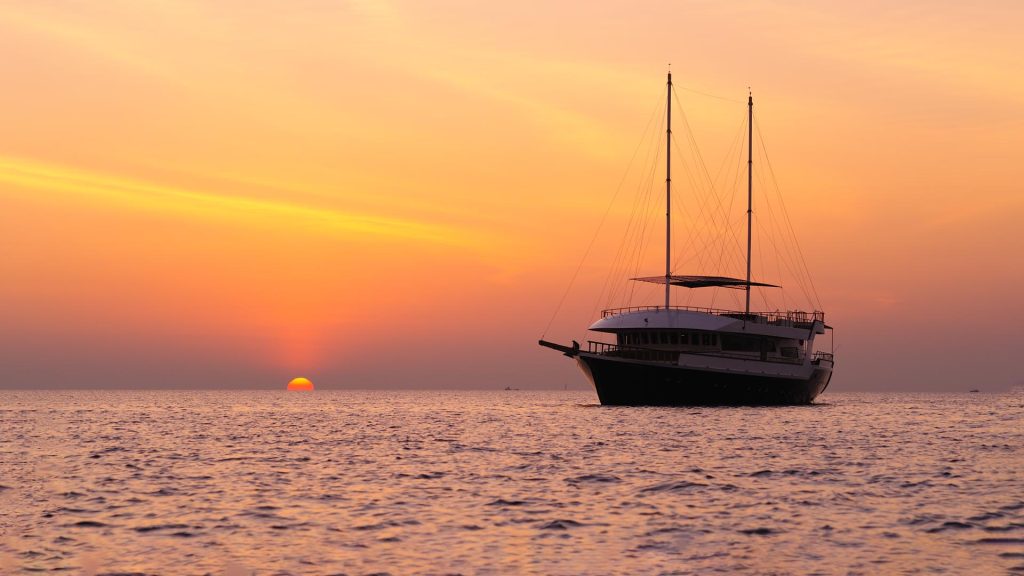
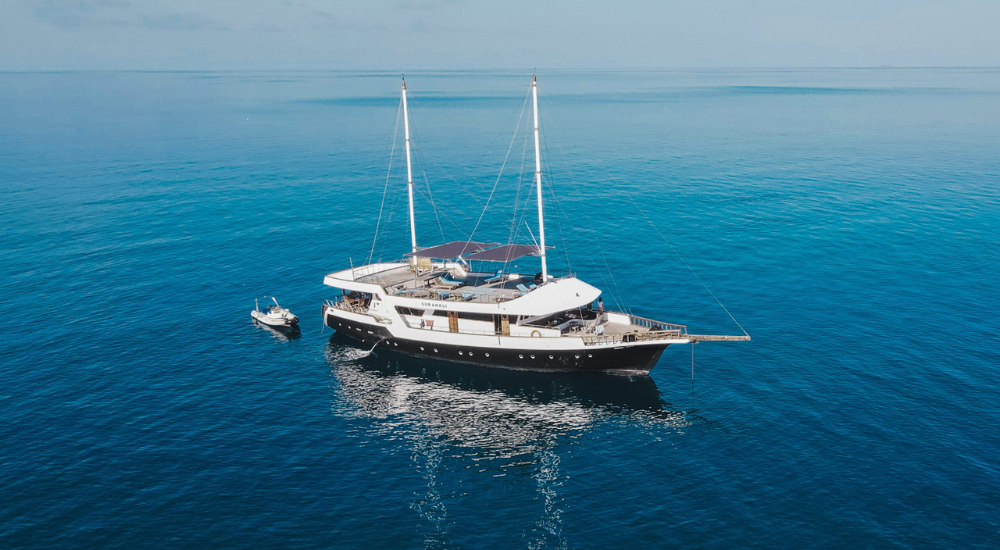
For wave-hungry surfers chasing flexibility, variety, and maximum time in the surf, a surf charter in the Maldives is hard to beat. Unlike land-based stays, charters allow you to move with the swell and wind, accessing a wide range of reef breaks across the Male, Central, or Southern Atolls – sometimes all in a single trip. Days revolve entirely around surfing: dawn patrols, boat drops to empty waves, buffet-style meals between sessions, and laid-back evenings on deck. It’s a stripped-back, surf-first lifestyle ideal for core surfers who want to maximise wave count and variety with zero distractions.
World Surfaris takes the hassle out of planning your charter experience, managing everything from boat selection to international flights, domestic transfers, layovers, and surf-specific travel insurance. We work with the Maldives’ most reliable and well-reviewed operators, including Maavahi Surf Charters, known for exceptional value and a crew that knows the region inside out. For those after more space and comfort, Haira and Gurahali offer premium charter experiences with quality onboard amenities. Travelling on a tighter budget? Kethi is a solid, no-frills option that still gets you to the best waves. With World Surfaris handling all the logistics, you can focus on what matters most – scoring perfect waves, session after session.




 All Levels
A custom-built 85ft surf charter with twin-share AC cabins, delivering a truly remote experience in the Southern & Outer Atolls of the Maldives.
Explore Trip
Welcome to Haira Surf Charters, your gateway to the Central Atolls. Embark on an unforgettable surf adventure with Haira Surf Charters and explore this remote…
Explore Trip
Kethi is a traditional Maldivian surf charter designed for smaller groups.
Explore Trip
Koimala Surf Charter is a surf-focused Maldives liveaboard offering scheduled sailings through the Malé Atolls and Central Atolls.
Explore Trip
Galfaam is a traditional Maldivian surf charter that perfectly blends privacy, flexibility, and affordability – ideal for tight-knit surf crews.
Explore Trip
Refurbished in 2025, Blue Horizon 2 is a modern, well-established surf charter offering tailored trips across the Malé, Central, and Southern Atolls.
Explore TripBooking Your Maldives Surf Trip
Booking your Maldives surf trip with World Surfaris ensures a seamless, stress-free experience, with every detail sorted for you – from flights and transfers to surfer permits, visas, and travel insurance. Backed by decades of expertise and strong partnerships with the Maldives’ most trusted surf charters and resorts, we match you with the right trip based on your surf ability, budget, group size, and travel goals.
For peak season travel between March and October, it’s best to book 12+ months in advance, especially for high-demand options like Maavahi Surf Charters or resorts with limited surfer numbers like Hudhuranfushi Surf Resort.
Whether you’re travelling solo, with friends, or your partner, World Surfaris makes your dream surf trip to the Maldives a reality.
Maldives Surf Resorts
The Best Maldives Surf Resorts
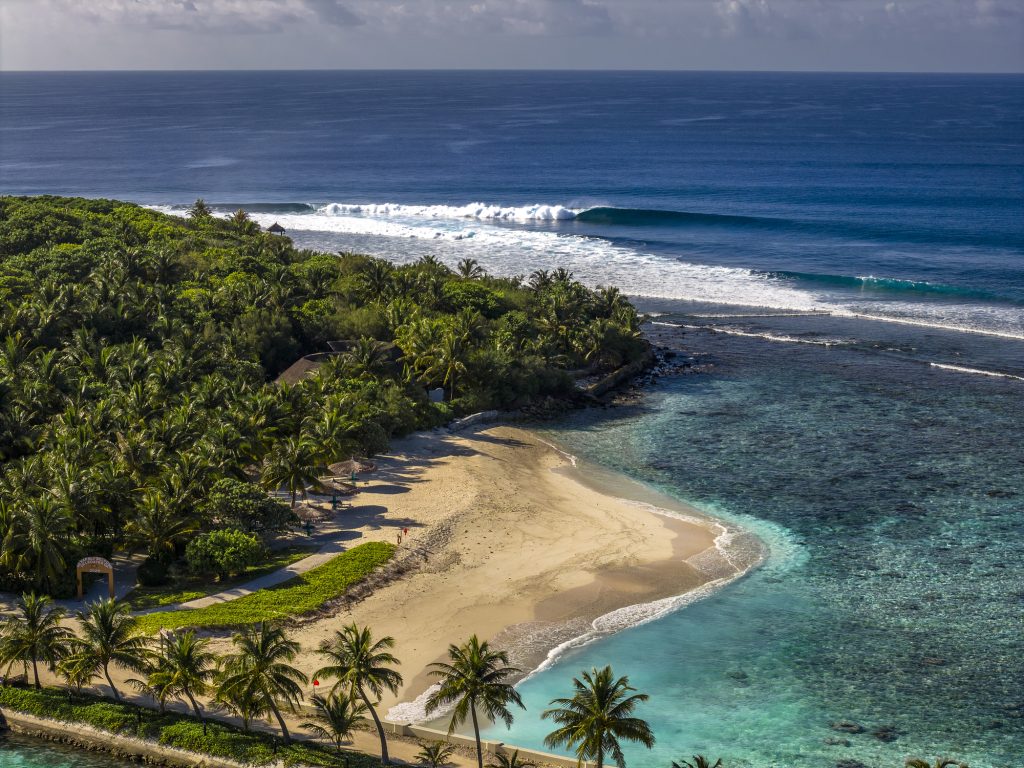
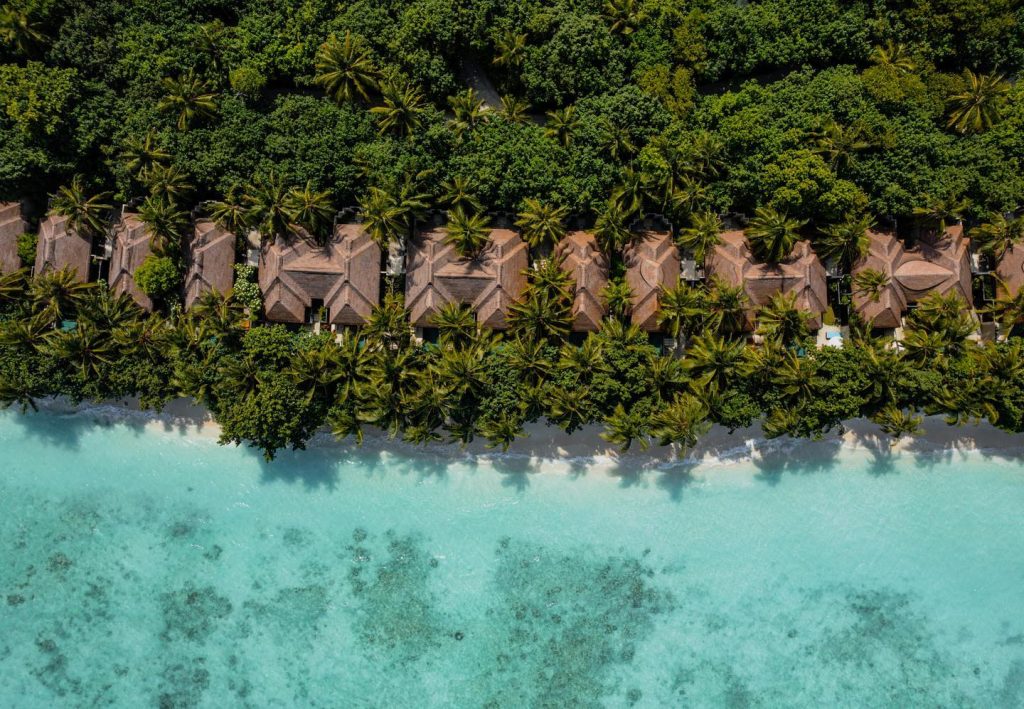
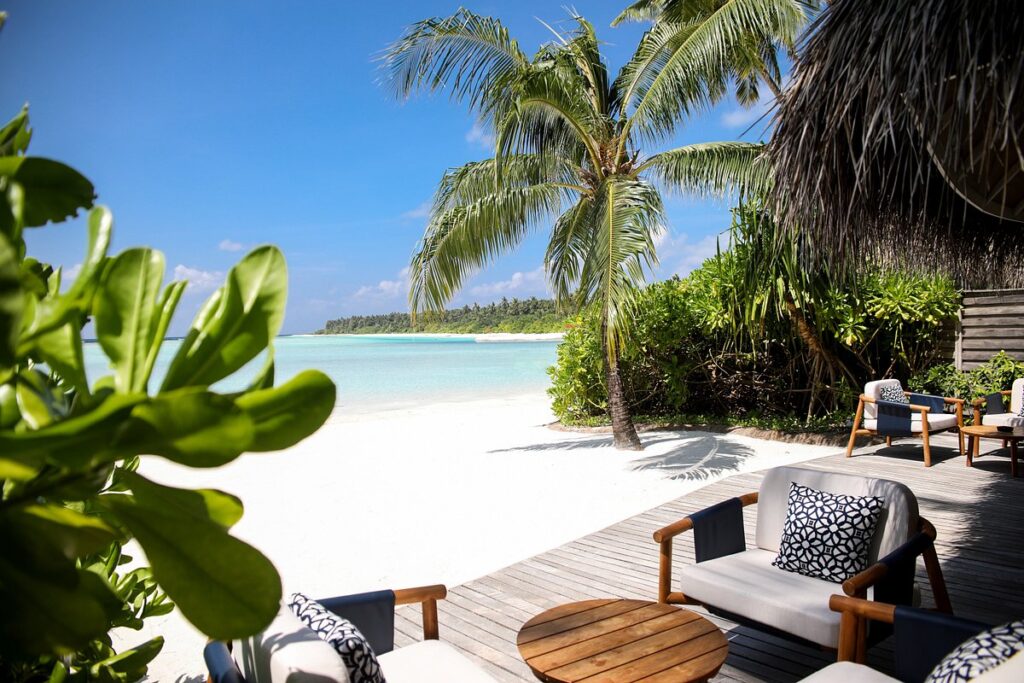
For surfers chasing consistent waves with the ease of an all-inclusive, resort-based setup, the Maldives offers some of the most well-rounded surf resorts in the world. Hudhuranfushi Surf Resort is the most-loved option among surfers and non-surfers alike, thanks to its exclusive access to Lohis Left, capped surfer numbers, and a relaxed, social vibe that suits solo travellers, couples, and families. Everything is taken care of – meals, drinks, transfers, and surf access – making for a seamless experience both in and out of the water.
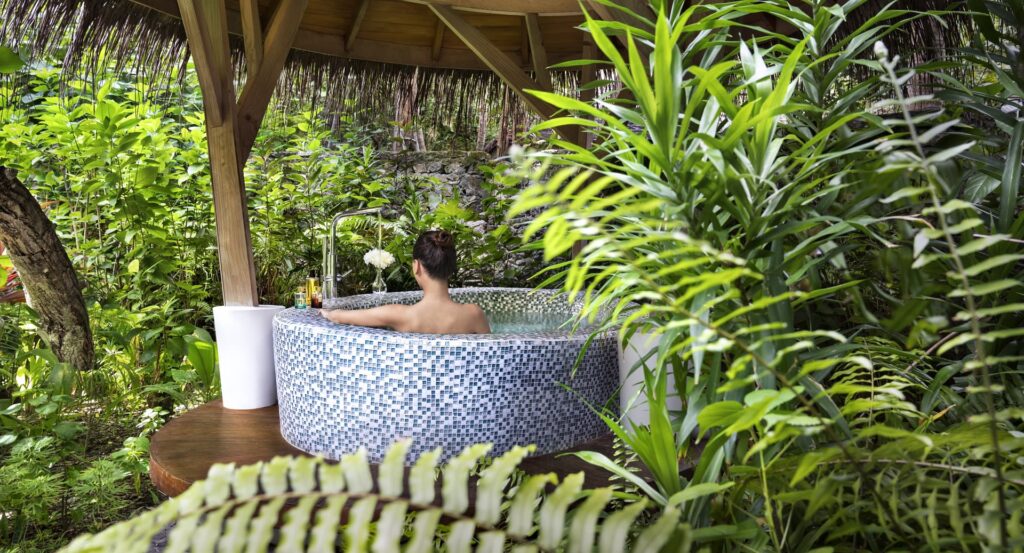
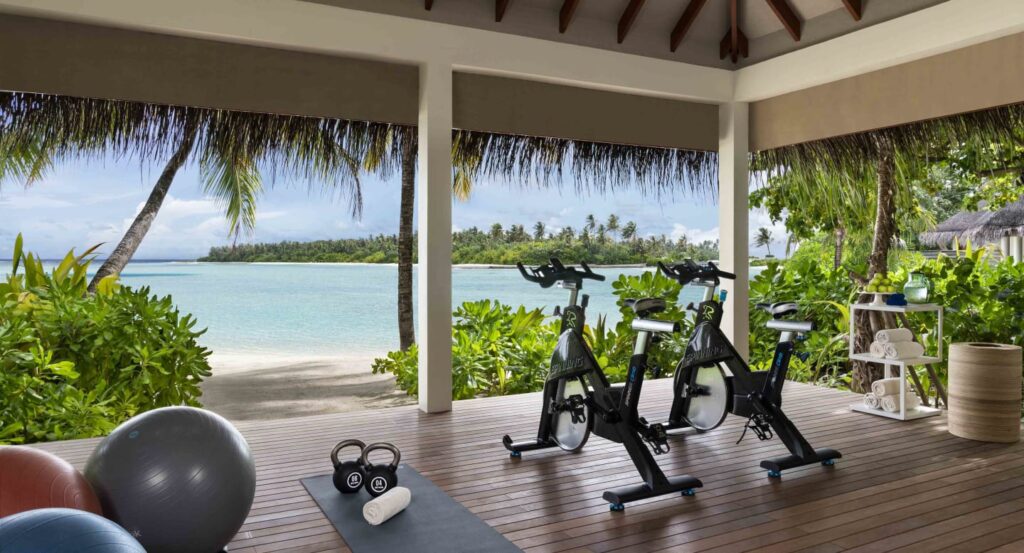
For couples seeking a more luxurious surf escape, Niyama and Ayada deliver high-end villas, private pools, spa indulgence, and world-class service, all paired with easy access to quality waves.




Frequently Asked Questions
Can I bring my non-surfing partner or family?
Absolutely. Many surf resorts are built with couples and families in mind – think spas, snorkeling, private villas, and activities for non-surfers. We’ll tailor your trip so everyone’s stoked, in and out of the water.
Do I need travel insurance or a visa?
We recommend surf-specific travel insurance that covers injuries, emergency evacuation, and damaged boards. We can connect you with our trusted insurance partners to keep you covered, and confirm visa requirements to make sure everything is sorted before you fly.
Should I bring my own board, or can I rent one there?
It is recommended to bring your own boards if possible – rental options are limited and often generic. World Surfaris can guide you on what quiver suits the region and assist with board bag requirments and travel logistics.
Our most-loved surf resort in the Maldives. All-inclusive, Lohis Left directly out the front, and top rated for surfers traveling with loved ones.
Explore Trip
If you’re dreaming of a tropical haven, you’ve found it at Niyama Resort in the alluring Dhaalu Atoll, Maldives.
Explore Trip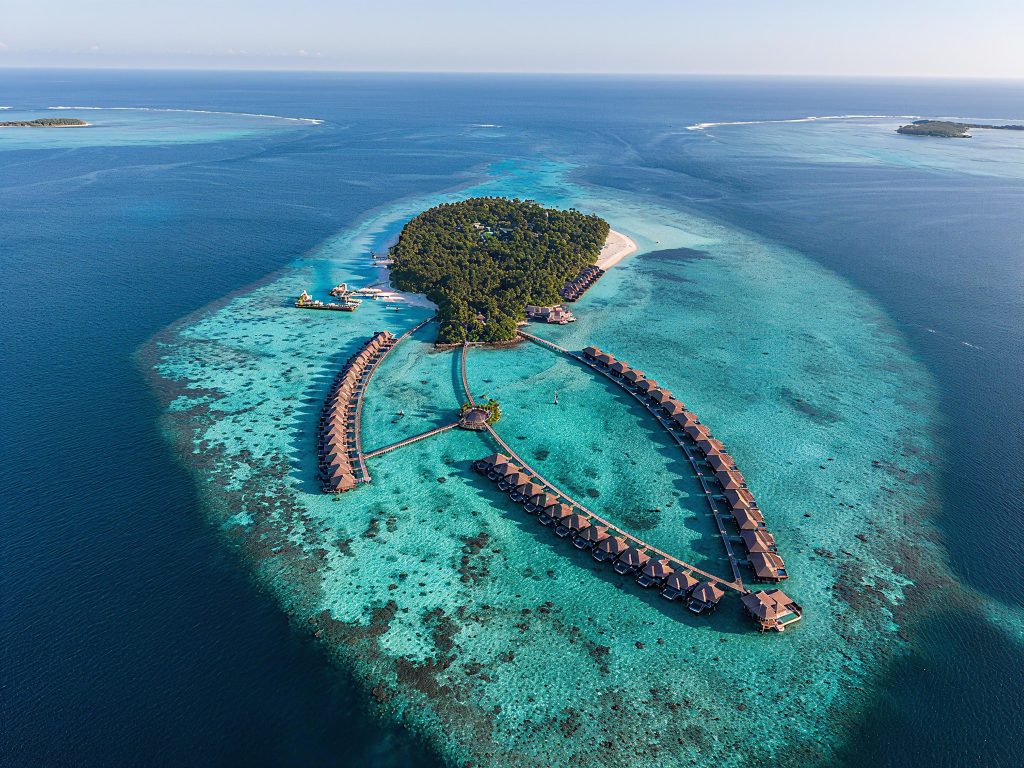
The luxurious Ayada Resort is one of the most beautiful places to stay and surf in the Maldives.
Explore Trip
Anantara Dhigu Maldives Resort, located in the South Malé Atoll just a 30-minute speedboat ride from the airport, epitomises luxury island living in the Maldives….
Explore TripNon-Surfing Activities & Experiences
Island Hopping, Snorkeling & Diving
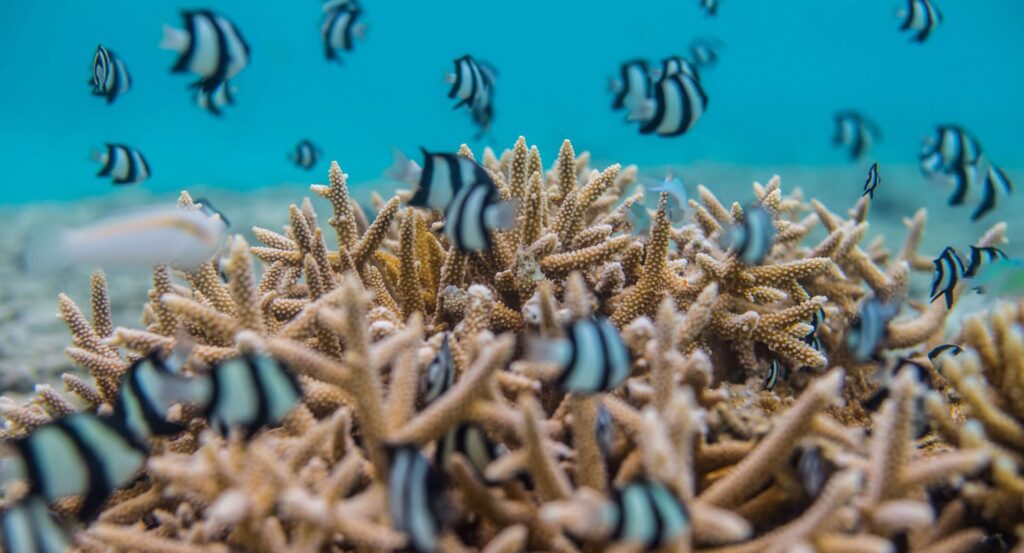
The Maldives delivers more than just perfect waves – exploring uninhabited beaches, snorkeling, and free diving are epic ways to make the most of your surf trip when you need a break between sessions. Think crystal-clear water, vibrant coral reefs, turtles, reef sharks, and manta rays just below the surface. Most resorts and charters include gear, so it’s easy to jump in and explore without needing to plan ahead.
Fishing
Fishing is a highlight on board most surf charters. Whether you’re trolling at dawn or casting at sunset, you’re in with a shot at landing tuna, mahi-mahi or wahoo. The best part? Your onboard chef will turn the day’s catch into fresh sashimi or a grilled feast straight from the deck.
VIllage Visits & Beach Bonfires
Maldives surf resorts and charters can arrange beach BBQs on remote islands or local village visits, adding depth to your trip beyond the surf. These easy-to-organise experiences offer a unique way to connect with the culture and surroundings between sessions.




Maldives Surf Videos
Plan your
Maldives Surf Trip
Start planning your dream Maldives surf trip alongside a specialised World Surfaris Surf Travel Consultant.
